Terrace Restaurant’s Operational Reframe
Terrace Restaurant is a family-run, multigenerational restaurant established in 1979 by Colonel Tesfaye in the center of Addis Ababa. More than a restaurant, it functioned as a home and a community fixture. The owners lived and operated the business from the same rented floor, and its reputation was built on two things: prime location and affordable prices.
About
Its customers were largely repeat visitors who came daily because Terrace offered consistency, familiarity, and low prices. Affordability was not a pricing tactic. It was part of the restaurant’s identity.
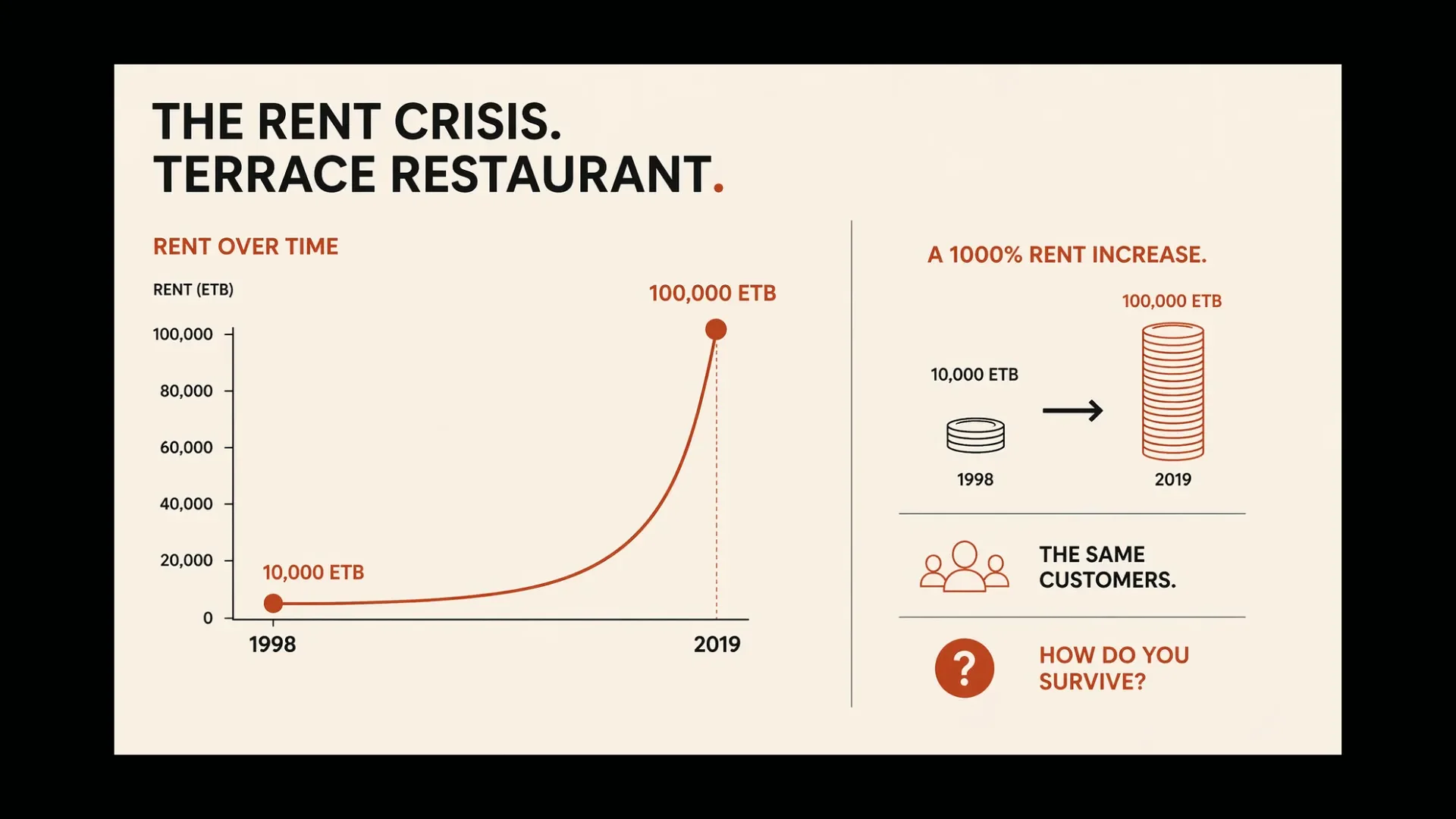
That model was threatened when a government body increased the monthly rent from 10,000 ETB to 100,000 ETB, a 1000% increase.
This created a strategic problem: How can revenue increase without abandoning affordability?
Strategy
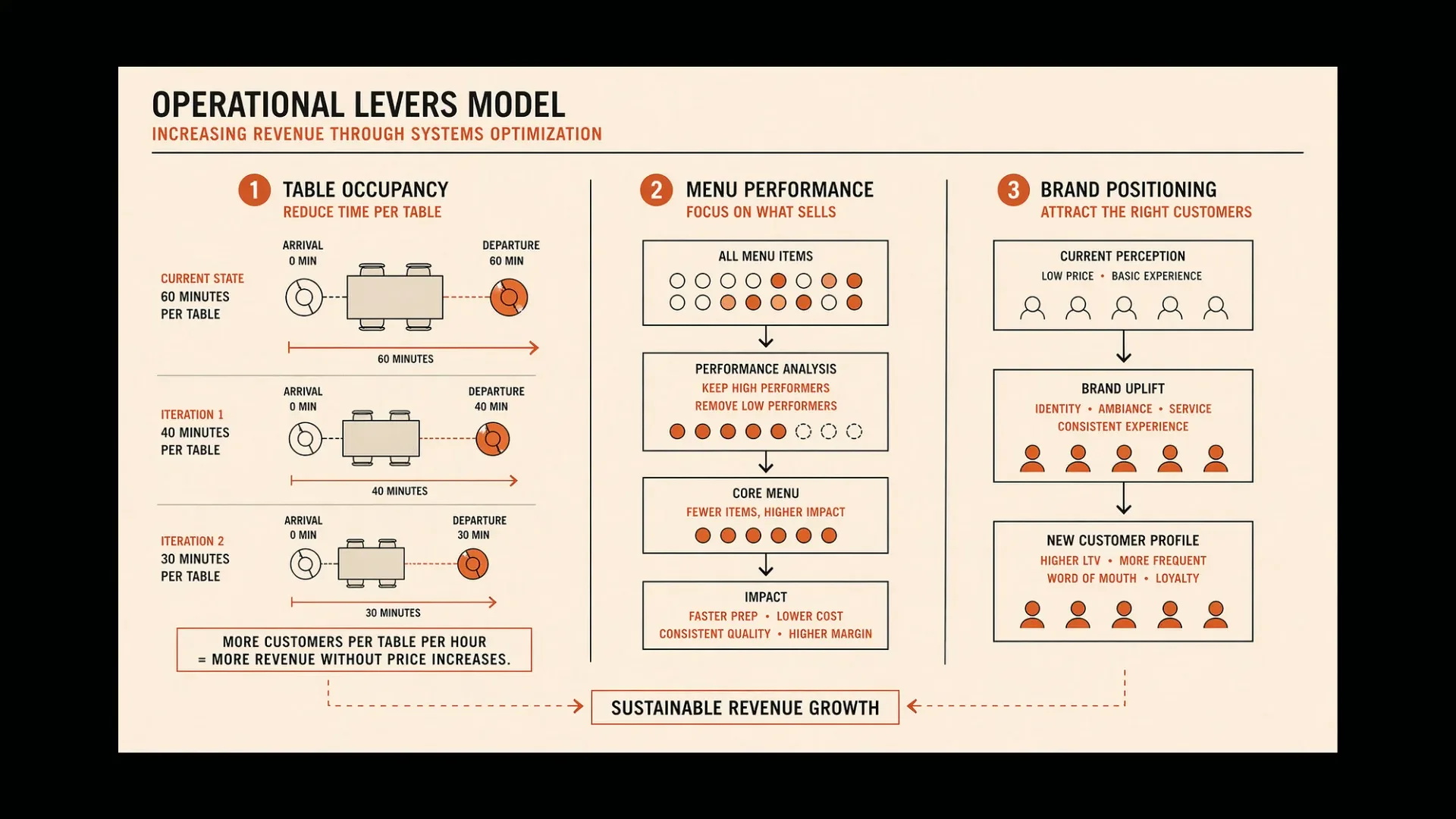
Instead of treating this as a pricing problem, we treated it as a systems problem. We targeted three operational levers:
1. Space Reconfiguration
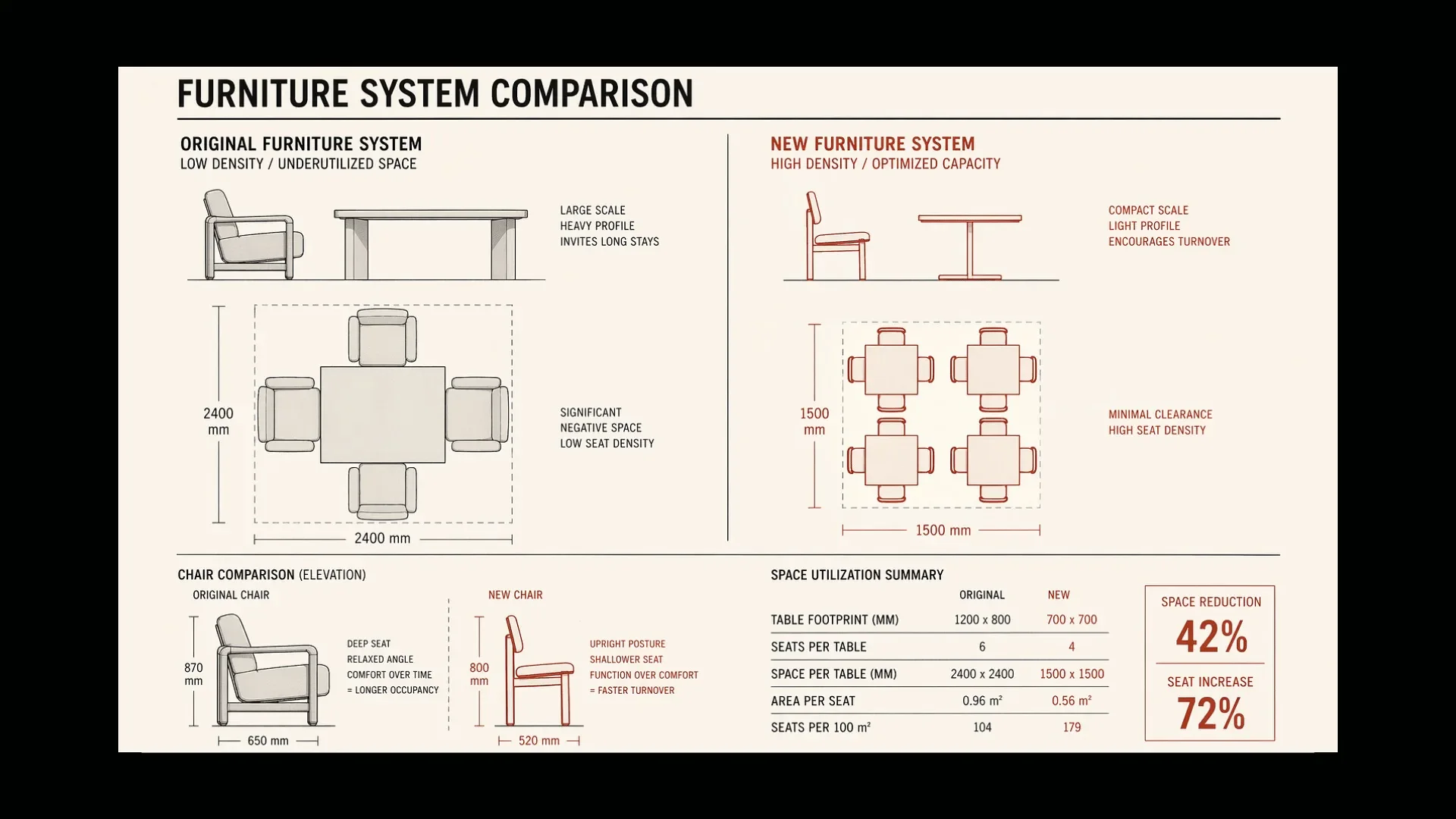
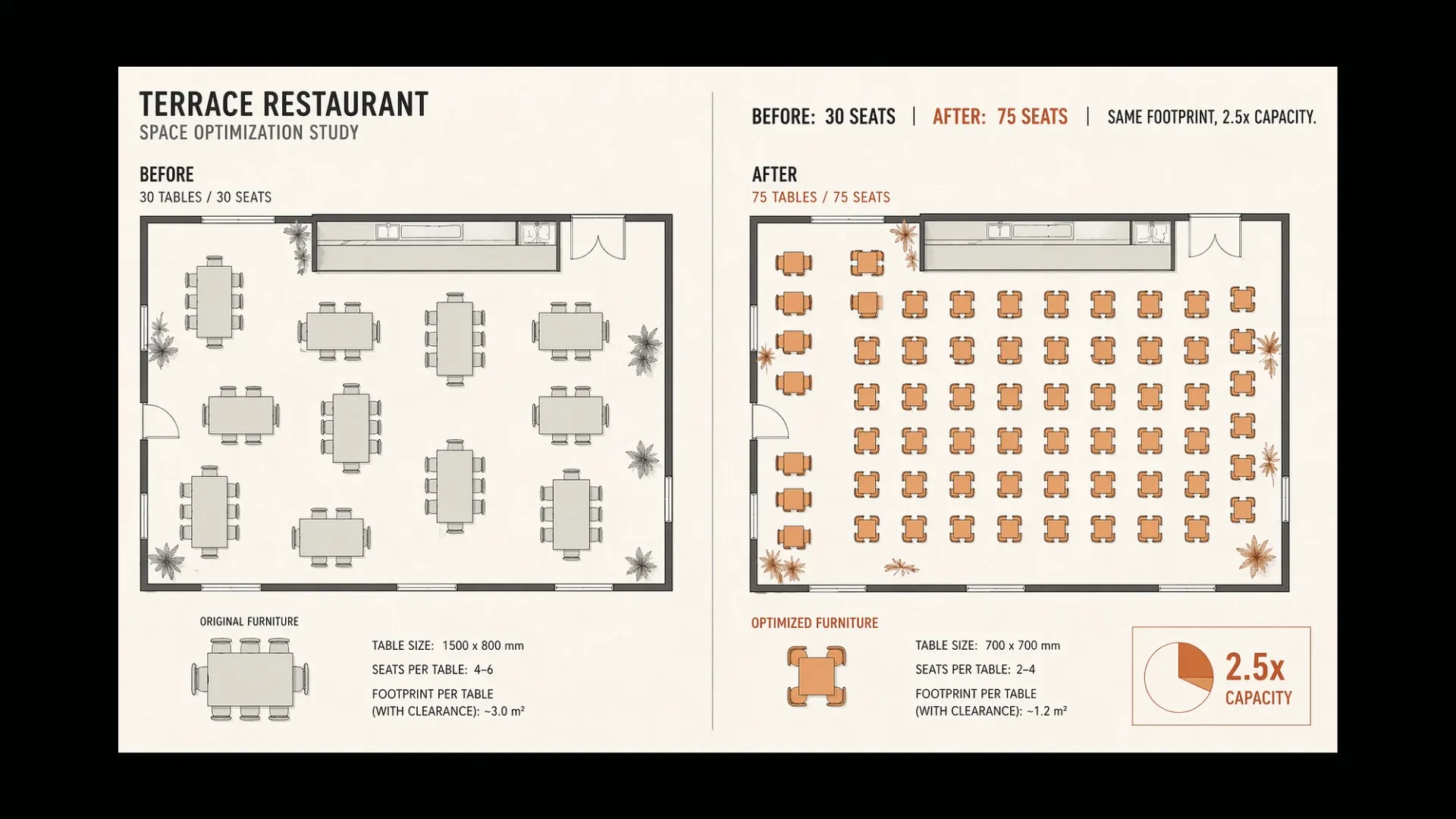
The existing furniture was large, heavy, and encouraged extended stays. We replaced it with smaller, lightweight, space-efficient pieces that improved capacity and subtly shortened customer duration.
2. Menu Reduction
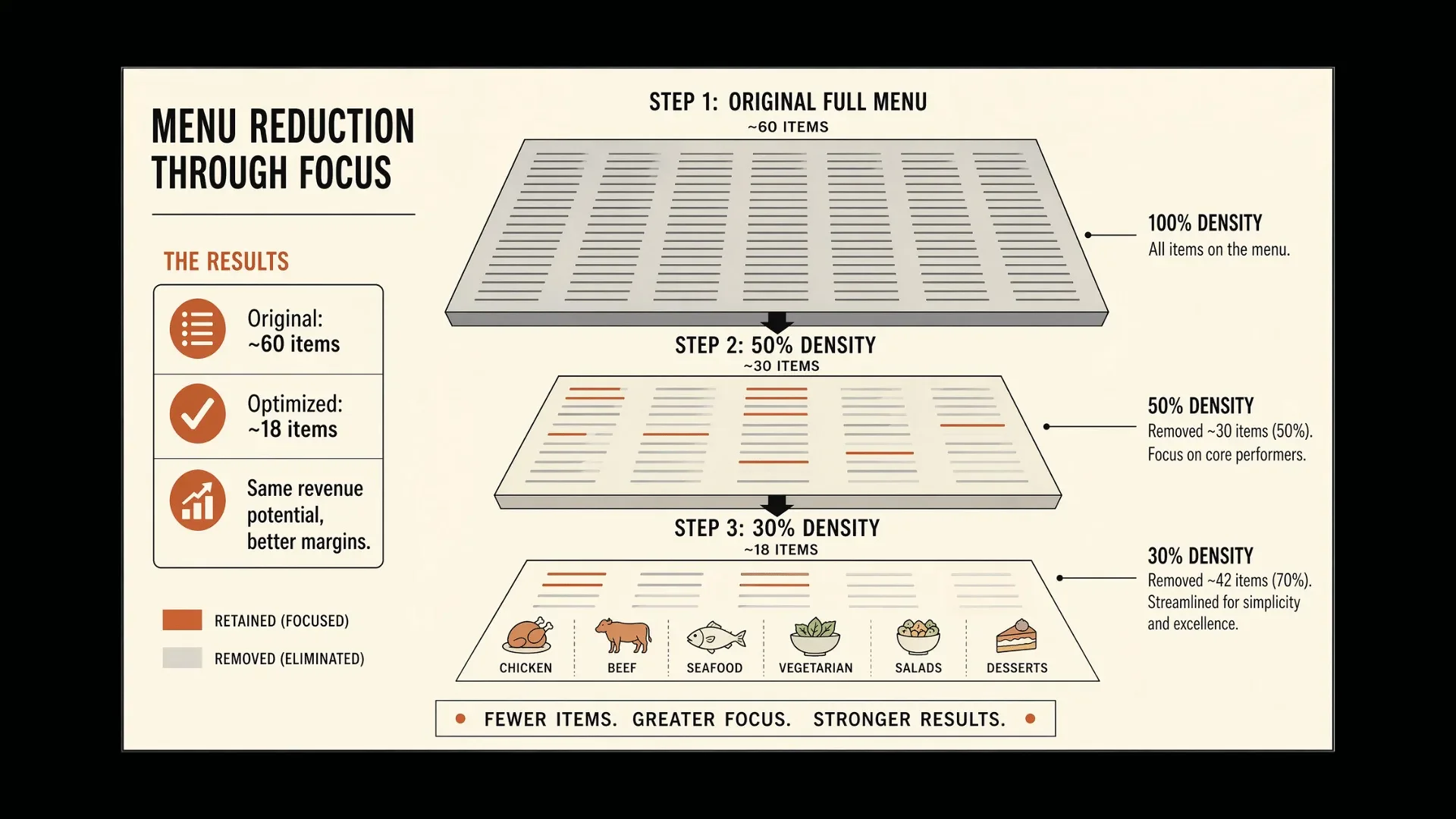
We reduced the menu by 70%, focusing on the most frequently ordered items. This improved purchasing efficiency, kitchen speed, inventory control, and waste reduction—protecting margins without changing customer perception of value.
3. Brand Repositioning
We developed a new visual identity, logo, service design, and customer experience that elevated the brand while preserving loyalty. The goal was to attract new customer profiles without abandoning existing ones.
Results
- Seating capacity: 30 → 75 tables
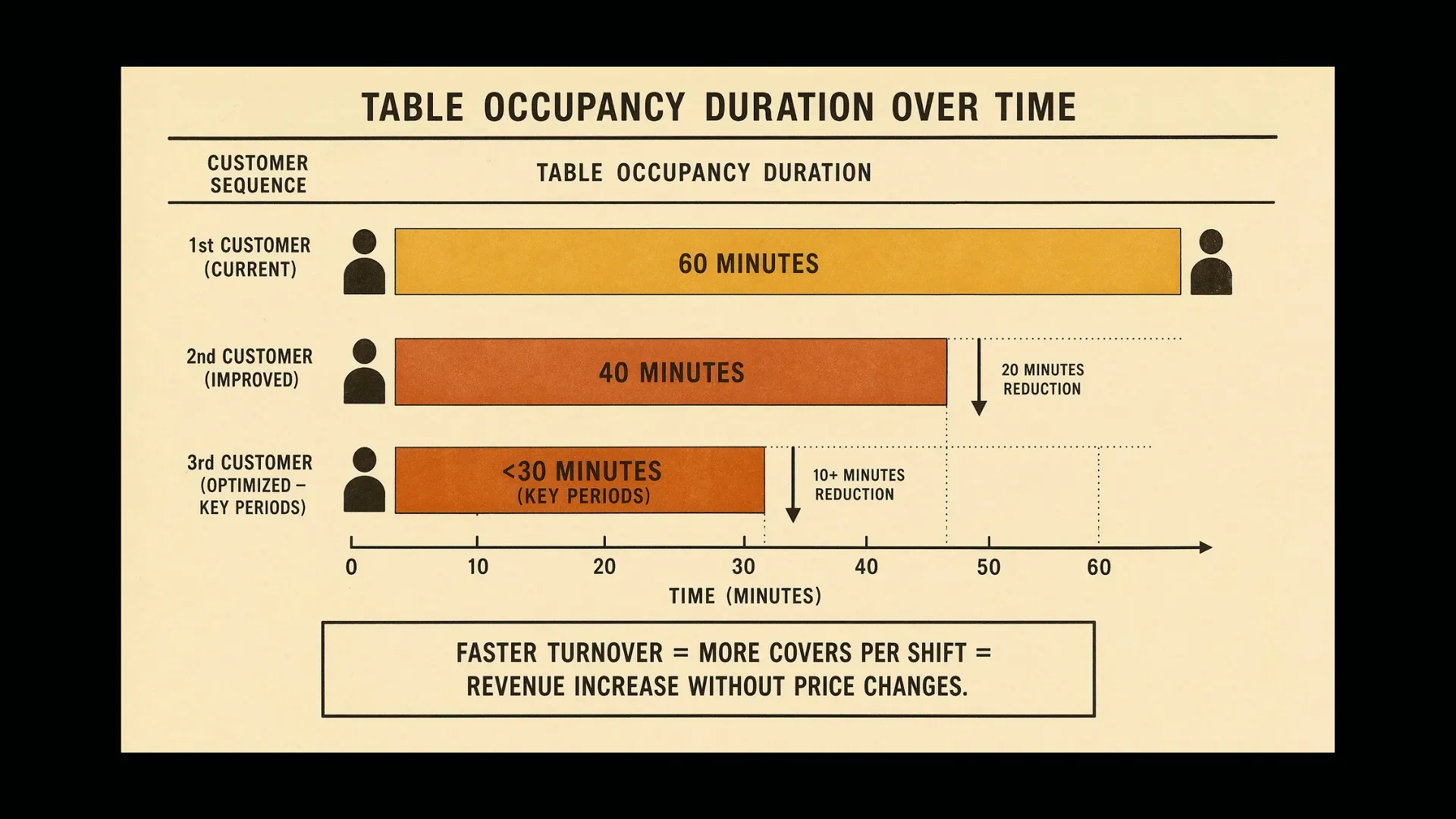
- Customer stay duration: 60 → 40 minutes
- Customer retention: 66.8% (prices unchanged)
- Early revenue impact: 16% improvement within one month
Insight
Most businesses respond to rising costs by charging more. Terrace proved that the better move is designing the business to earn more per square meter, per hour, and per customer flow.
The problem wasn’t “How do we charge more?” but “How do we make the same price produce more revenue?”
Terrace survived not through branding alone, cost-cutting alone, or price increases—but by treating operations, customer psychology, and brand identity as one system. The result was a stronger business model.
The pressure
Terrace Restaurant was a family-run Addis Ababa fixture built on repeat customers, familiarity, and affordable prices. When the rent jumped from 10,000 ETB to 100,000 ETB, the central challenge was not how to charge more; it was how to make the same price produce more revenue.
The model
The response connected three levers into one system: reduce table time, focus the menu around what actually sells, and reposition the brand so the improved experience could attract new customers without alienating existing ones.
Space as revenue
The existing furniture was large, heavy, and comfortable enough to encourage long stays. The new furniture system reduced the footprint, increased seat density, and made the same room work harder without changing the restaurant's basic promise.
Time as capacity
Capacity was not only a question of how many seats fit in the room. It was also a question of how long each table stayed occupied. Shortening the average stay from 60 to 40 minutes created more covers per shift without raising prices.
Focus as margin
The menu was reduced by 70%, from roughly 60 items to about 18 core performers. That made purchasing, preparation, inventory, and quality control easier while preserving the customer's sense of value.
Outcome
The redesign increased seating capacity from 30 to 75 seats, reduced customer stay duration from 60 to 40 minutes, preserved 66.8% customer retention with prices unchanged, and produced a 16% revenue improvement within one month. Terrace survived by treating operations, customer psychology, and brand identity as one system.